

Imagine walking through a town where you’re encouraged to pick apples from the sidewalk, harvest herbs from the train station, or take vegetables growing outside the police station. For free.
It sounds impossible, yet one English town has been doing exactly that for more than 15 years.
In the quaint town of Todmorden, nestled in West Yorkshire, England, a quiet revolution has been taking root since 2008. What began as a simple idea—to grow food in public spaces for everyone to share—has blossomed into a global movement known as Incredible Edible. This initiative has transformed urban landscapes, and inspired cities worldwide to rethink their relationship with food and public spaces
The Genesis of a Green Movement
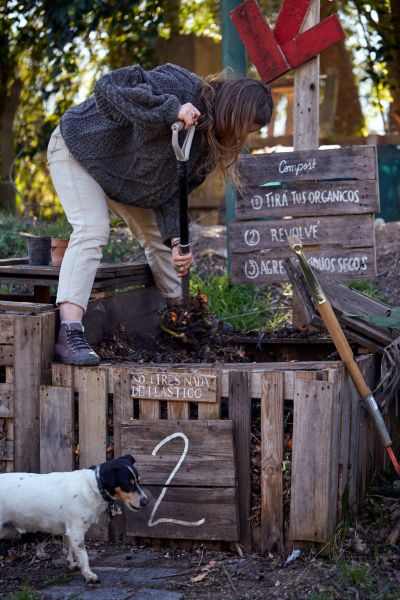 The Incredible Edible project was the brainchild of Pamela Warhurst, Mary Clear, and a group of like-minded residents of Todmorden. Faced with concerns about climate change, food sustainability, and community cohesion, they decided to take action. Their solution was elegantly simple: plant fruits, vegetables, and herbs in public spaces and invite everyone to share the harvest. No fences, no fees, just food for the taking.
This grassroots approach aimed to reconnect people with the food they eat, encourage local food production, and strengthen community bonds. By turning unused plots of land into communal gardens, the residents of Todmorden demonstrated that even small actions could lead to significant change.
A Model That Spreads Like Wildflowers
The success of Incredible Edible in Todmorden did not go unnoticed. The model’s simplicity and effectiveness inspired other communities to adopt similar approaches. Today, there are over 150 Incredible Edible groups across the UK and more than 700 worldwide, spanning countries from France to Australia. Each group adapts the core principles to their local context, but the underlying ethos remains the same: grow food locally, share it freely, and educate the community.
Incredible Edible operates on a framework known as the “three spinning plates”: community, business, and learning.
-
Community: This plate focuses on growing food in public spaces, encouraging residents to participate in planting, maintaining, and harvesting crops. It’s about creating a sense of ownership and pride in shared spaces.
-
Business: By supporting local food producers and retailers, Incredible Edible aims to boost the local economy. This includes promoting farmers’ markets, encouraging restaurants to source locally, and even inspiring new food-related businesses.
-
Learning: Education is central to the movement. Workshops, school programs, and community events teach people of all ages about growing food, cooking, and sustainable living. By sharing knowledge, the initiative ensures its longevity and adaptability.
Challenges and Triumphs
While the Incredible Edible movement has achieved remarkable success, it hasn’t been without challenges. Navigating bureaucratic red tape, securing funding, and changing public perceptions about communal food spaces require persistent effort. However, the movement’s resilience lies in its grassroots nature and the passion of its volunteers.
One notable triumph is the shift in mindset it has fostered. In a society often characterized by individualism, Incredible Edible promotes collective responsibility and shared benefits. It’s a testament to what communities can achieve when they come together with a common purpose.
A Vision for the Future
The ethos of Incredible Edible resonates now more than ever. In the face of global challenges like climate change, food insecurity, and social fragmentation, the movement offers a hopeful narrative: that communities can take control of their food systems, foster resilience, and build stronger social ties.
As Pamela Warhurst aptly puts it, “We’re repurposing people power and we’re repurposing land.”
It’s a call to action for individuals and communities worldwide to reimagine their environments and sow the seeds of positive change
How You Can Get Involved
Getting involved in the Incredible Edible movement is refreshingly easy—no green thumb required, just a willingness to grow (literally and figuratively). Start small: plant herbs in your front yard or on a shared sidewalk strip and label them with a friendly “Help Yourself” sign. If you’re part of a local school, business, or community group, you can propose transforming unused spaces into edible gardens. The core idea is simple: start with what you have, where you are, and invite others to join in.
You can also connect with an existing Incredible Edible group near you by visiting incredibleedible.org.uk, where you’ll find a map of active communities worldwide. They often host planting days, workshops, and food-sharing events where all are welcome. No matter your age, background, or gardening experience, there’s a place for you in this movement. Whether you’re sowing seeds, teaching others, or simply sharing your harvest, every little action helps cultivate a more connected and sustainable world.
Visiting Todmorden’s Incredible Edible Trail
Unlike a traditional attraction, Incredible Edible isn’t confined to a single garden or visitor centre—it’s woven into the fabric of Todmorden itself. As you wander through the market square, parks, railway station and public spaces, you’ll come across herbs, fruit trees and vegetable beds growing in the most unexpected places, many marked with signs inviting passers-by to help themselves.
The town lies in West Yorkshire, around an hour by train from both Manchester and Leeds, making it an easy day trip or a worthwhile stop on a longer journey through Northern England. Visit between late spring and early autumn, when the edible gardens are at their most vibrant, and take your time exploring on foot. The joy of Incredible Edible isn’t simply seeing the gardens—it’s discovering them by surprise, one street at a time.
Could This Work Elsewhere?
One of the most inspiring aspects of Incredible Edible is that it isn’t a project that depends on enormous budgets or complex infrastructure. It began with a handful of volunteers, a simple idea and the belief that food could bring people together.
Since its beginnings in Todmorden, the movement has inspired hundreds of communities around the world to plant edible gardens in schools, parks, hospitals and other public spaces. While every town is different, the underlying principle remains remarkably universal: when people are invited to share rather than compete, public spaces become places of connection instead of simply places to pass through.
For travellers, this offers an intriguing glimpse into what tourism could become: experiencing communities that actively invite participation. Imagine arriving in a city where the first welcome isn’t a souvenir shop or an advertisement, but a sign that simply reads: “Help Yourself.”
