
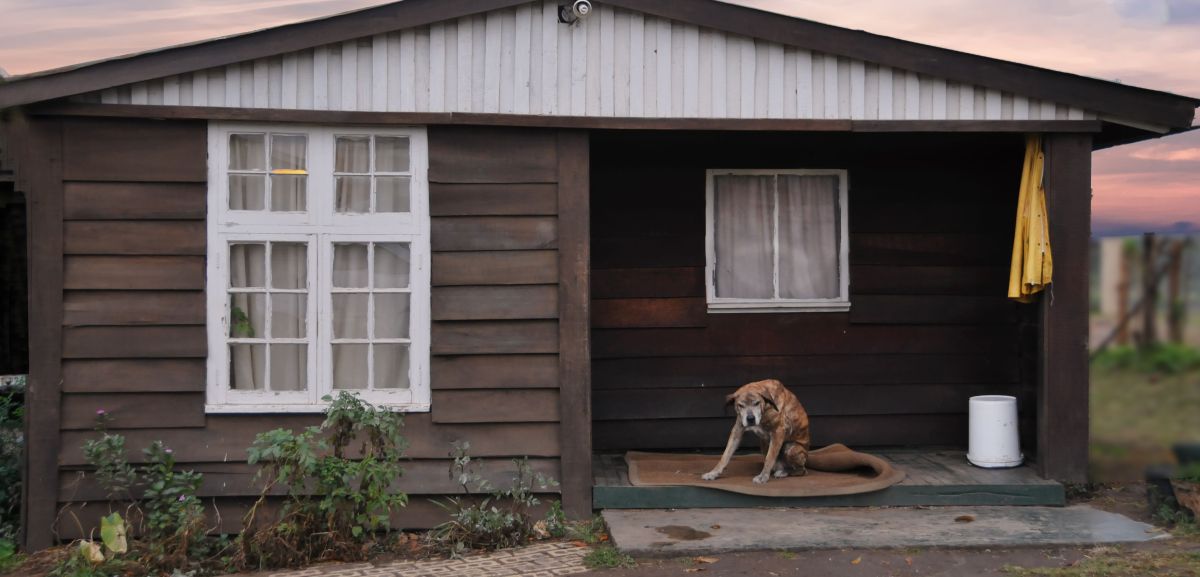
A cabin in the woods, a dog running around outside, no traffic, no neighbours. Sounds like a decent way to spend a week. Then the dog food runs low. The nearest shop is miles away, and it’s started raining hard enough that the dirt road out of the property looks questionable. That’s when the reality of staying somewhere remote starts to kick in.
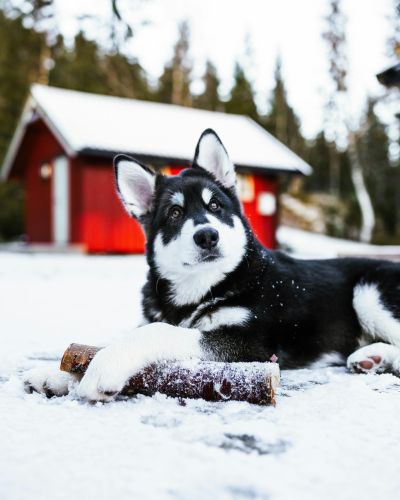 It’s not necessarily difficult to bring animals along. But there’s a bit more to think about, especially if the plan is to stay for a couple of weeks rather than just a weekend. Food, water, somewhere safe to sleep. The basics, really.
The Wildlife Was There First
One thing about staying in the woods: the local wildlife doesn’t disappear just because someone’s rented a cabin. Foxes might come sniffing around a chicken coop. A dog might spot a deer and take off after it. And rodents are pretty good at finding bags of animal feed that haven’t been stored properly.
Dogs need watching, too. Even one that’s normally well behaved can forget every command it knows when something interesting runs past. Keep dogs on a lead around unfamiliar trails, and check local rules before taking them into protected areas.
Before leaving, it’s also worth asking a vet about ticks, parasites, and vaccinations relevant to the destination. Much easier to deal with that at home than somewhere with limited veterinary services. The National Park Service’s advice on pets is useful for anyone planning to visit protected areas where dogs may be restricted.
Water and Waste
Some cabins have wells. Others use rainwater tanks or rely on water being brought in. Whatever the setup, it’s worth knowing how the supply is protected when animals are around.
Dog waste needs dealing with, too. Pick it up around the cabin and along walking trails, then dispose of it according to local guidance. And don’t throw pet waste into an ordinary compost pile and assume it’ll be fine. Some composting systems aren’t designed to treat it safely, especially if the finished compost will be used around food crops. It’s better to sort this out beforehand than discover there’s a problem with the water supply halfway through the stay.
The Dog Food Problem
Here’s a situation that’s easy to avoid. The cabin is booked for 14 days. The dog’s food is packed, along with everything else. Then the weather turns, the road becomes difficult to use, and the stay gets extended by a couple of days. Suddenly, the food supply looks a bit tight.
A small rural shop might sell dog food, but that doesn’t mean it’ll stock the brand the dog normally eats. And changing food suddenly isn’t ideal, particularly for dogs with sensitive stomachs. Work out the quantities before leaving. A dog eating 300 grams daily needs 4.2 kilograms for 14 days. Pack a little extra if the journey home could be delayed.
Some owners choose to bulk buy dog food before leaving larger towns, especially when their dog’s regular food isn’t available in rural shops. It saves having to search around for supplies halfway through the trip. There’s just one thing to remember: the food needs somewhere suitable to go. An open bag sitting in a damp shed can spoil, and rodents can chew through ordinary packaging. Sealed containers help. In areas with bears, proper bear-resistant storage may be required, so check local guidance before leaving food outside.
 What About Cats?
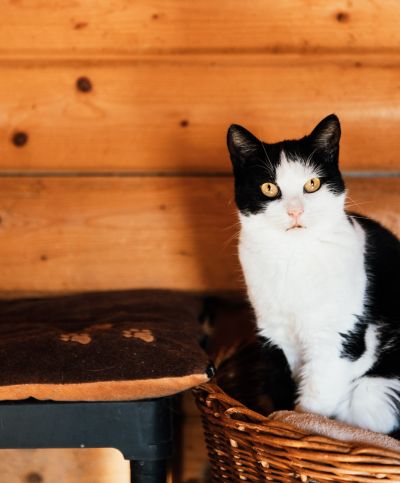
Cats can enjoy a change of scenery, too, but a remote cabin presents a different set of challenges. Unlike dogs, most cats are less comfortable exploring unfamiliar surroundings, particularly when there are strange smells, wildlife and no familiar hiding places.
If you’re planning to bring a cat along, check that the cabin has secure windows and doors, and consider keeping your pet indoors for the duration of the stay. An outdoor enclosure or a harness can offer some supervised time outside without the risk of wandering off. Bring familiar bedding, a litter tray, enough litter for the entire trip, and your cat’s usual food. It’s also worth making sure your pet is microchipped and wearing an identification tag, just in case it manages to slip outside. A quiet, familiar corner of the cabin can make all the difference when everything else feels new.
When the Power Goes Out
Off-grid properties still rely on equipment, and equipment sometimes fails. Solar panels produce less electricity during cloudy weather. Batteries run down. Water pumps stop working. If animals depend on those systems, a breakdown can become a real problem. Before booking, ask what happens if the pump fails. Is there another water source?
Cold weather brings other issues. Water containers freeze, pipes burst, and shelters become damp when ventilation isn’t adequate. Check that the property is suitable for the temperatures expected during the stay.
Pack basic veterinary supplies and any prescribed medication. Find the nearest vet before leaving, too, and save the contact details somewhere accessible without mobile reception. And if there’s a generator, it needs to stay outdoors, well away from doors and windows. Running one inside a cabin or shed can cause carbon monoxide poisoning.
Getting Around the Wilderness
A remote cabin is often a starting point for walks, hikes and exploring the surrounding landscape. But not every trail is suitable for dogs, and some protected areas have restrictions on where pets can go. Check local regulations before setting off, particularly in national parks and wildlife reserves. Carry enough water for both yourself and your dog, and be mindful of hot weather, rough terrain and encounters with wildlife. Cats, meanwhile, are generally better kept within the safety of the property or taken outdoors only in a secure enclosure or on a harness. The idea is to enjoy the surroundings without disturbing the animals that already call them home.
Before Heading Out
A property advertised as pet-friendly doesn’t necessarily mean it’s suitable for every animal. Some cabins allow dogs but have no fenced outdoor area. Others may have steep staircases, open fireplaces, fragile furniture or nearby livestock that could make a stay more complicated. Before booking, ask about the layout, outdoor space and any restrictions on the number or size of pets. It’s also worth checking whether pets can be left alone inside the cabin and whether there are any additional cleaning fees. A little clarification beforehand can save quite a bit of trouble once you arrive.
