
Imagine a mountain road winding through deep green valleys, following the course of a glacial river, with pine forests, cascading waterfalls and snow-covered peaks rising in the distance. This is Kaghan Valley, one of northern Pakistan’s most remarkable landscapes,.
Stretching for approximately 155 kilometres through the Mansehra District of Khyber Pakhtunkhwa, Kaghan Valley unfolds along the Kunhar River, climbing from relatively low mountain settlements towards some of the region’s most spectacular high-altitude scenery. Along the way, travellers encounter alpine meadows, remote villages, dramatic mountain passes and lakes whose clear waters reflect the surrounding peaks.

Kaghan Valley is Alpine in geography and climate, with mountains, dales, lakes, waterfalls, streams and glaciers that are dominating the landscape below peaks which reach over 5000 meters.
The valley is part of the wider mountain landscape of northern Pakistan, where geography and altitude shape almost every aspect of travel. From river valleys and forested slopes to high-altitude lakes and mountain passes, Kaghan offers a remarkable variety of scenery within a relatively compact region. For a broader overview of the area’s natural attractions and visitor information, the official Kaghan Valley tourism guide provides a useful starting point for exploring the region.
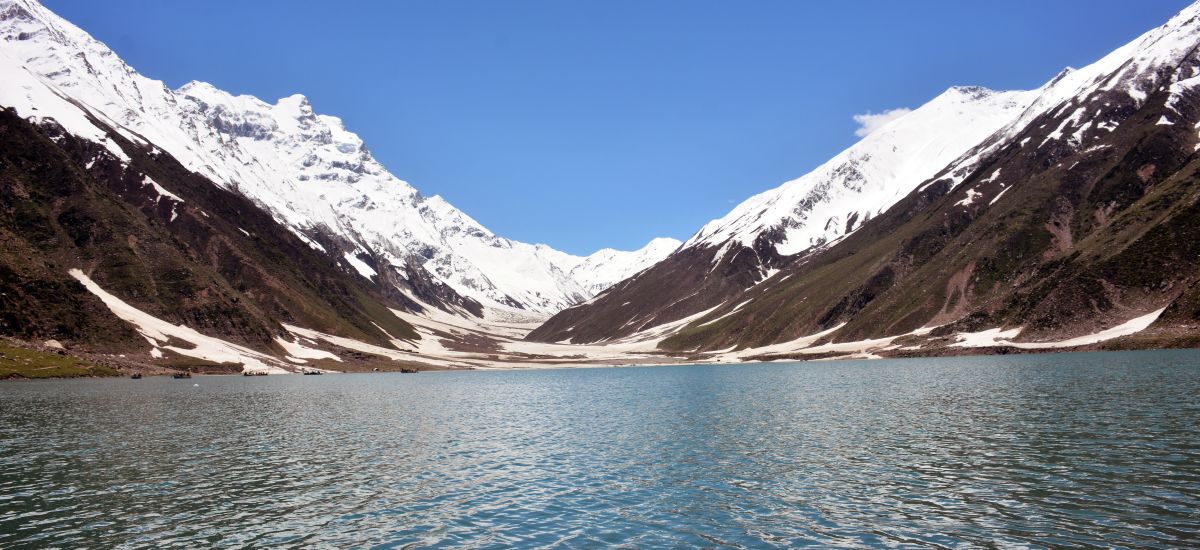
Saiful Muluk, named in a folktale as the meeting site of the lovers, is the main attraction in the valley and with its 3,224 m above the sea level, is one of the highest lakes in Pakistan. The water is spectacularly clear because of the surrounding glaciers that are reflected in the lake. It is accessible by road during the summer months or can be reached by tracking from the nearest village Naran, which is 10 kilometers away. Once you get there, try to look at Malika Parbat, a mountain peak of 5, 296 m which is guarding the valley.

How to reach Kaghan Valley, Pakistan
From Balakot, which is the major city in the province, you can get into the Kaghan Valley by car (a jeep is recommended) or other four-wheel vehicles; it depends on the weather and the recommendation of the locals.
Kaghan Valley is part of the wider Himalayan landscape of northern Pakistan, and its mountain roads, changing elevations and seasonal weather make advance planning particularly important. The route from Balakot towards Naran follows the Kunhar River through a succession of mountain settlements and scenic viewpoints. For additional geographical information and an overview of the region’s main attractions, travellers can consult the Pakistan Ministry of Foreign Affairs’ tourism guide, which includes a dedicated section on Kaghan, Naran and Saiful Muluk.

5 Places Not to Miss When Visiting Kaghan Valley
Kaghan Valley is filled with spectacular mountain scenery, but a few places deserve a special place on every traveller’s itinerary. From legendary glacial lakes to flower-covered alpine meadows, these five destinations capture the extraordinary diversity of northern Pakistan.
1. Lake Saiful Muluk
At approximately 3,224 metres above sea level, Lake Saiful Muluk is one of Pakistan’s most celebrated natural attractions. Surrounded by towering mountains, its clear waters reflect the dramatic landscape, creating an almost surreal scene. Local folklore connects the lake with the romantic legend of Prince Saif-ul-Muluk and a fairy princess, adding a layer of mystery to its natural beauty. It is a must-see for photographers, nature lovers and anyone visiting Naran.
2. Lulusar Lake
Located further north of Naran, Lulusar Lake sits at approximately 3,410 metres above sea level and is the largest natural lake in the Kaghan Valley area. Its deep blue waters, surrounded by rugged mountain slopes and seasonal wildflowers, make it one of the most scenic stops along the valley. The lake is also an important source of the Kunhar River, which accompanies travellers along much of the journey.
3. Dudipatsar Lake
For those willing to venture beyond the main road, Dudipatsar Lake offers a more adventurous experience. Often called the White Mountain Lake, it is surrounded by steep peaks and remote alpine landscapes. Reaching it requires a multi-day trek from the Besal area, so visitors should plan ahead, arrange suitable guidance and be prepared for demanding mountain conditions. The reward is an extraordinary sense of wilderness and isolation.
4. Shogran and Siri Paye
Shogran is a peaceful mountain settlement surrounded by pine forests and sweeping views of the surrounding peaks. From here, travellers can continue towards Siri Paye, a spectacular alpine meadow known for its green slopes, grazing animals and mountain scenery. On clear days, the landscape seems to stretch endlessly towards the surrounding Himalayan ranges. A local jeep is generally needed to reach the meadows.
5. Babusar Pass : A Road into the High Mountains
At approximately 4,173 metres above sea level, Babusar Pass is one of the most impressive viewpoints in the region. The winding mountain road climbs through dramatic scenery before reaching a high-altitude landscape of rocky slopes and distant peaks. The pass connects Kaghan Valley with the Chilas area of Gilgit-Baltistan and is generally accessible only during the summer months, depending on weather and road conditions. Before planning a journey across it, travellers should check the latest updates from the Gilgit-Baltistan Tourism Department, particularly if they intend to continue towards Chilas and the Karakoram Highway.
Each of these places offers a different perspective on Kaghan Valley. Whether you prefer easy scenic stops, alpine photography or challenging treks, the region rewards travellers who take the time to explore beyond its main settlements.
Where to stay
Where to Stay in Kaghan Valley
Naran is one of the most convenient bases for exploring Kaghan Valley, offering a range of hotels, guesthouses and local restaurants. Its location makes it particularly practical for day trips to Lake Saiful Muluk and excursions towards Lulusar Lake and Babusar Pass.
For a quieter mountain experience, consider staying in Shogran, a small settlement surrounded by pine forests and spectacular mountain scenery. Accommodation here tends to be more focused on guesthouses, lodges and mountain retreats.
Wherever you choose to stay, book ahead during the busy summer season and check current road access before committing to accommodation in more remote locations.


Things to Keep in Mind When Traveling to Kaghan Valley
Travelling through Kaghan Valley can be an unforgettable experience, but its mountainous terrain and changing weather conditions call for a little preparation. Here are a few things worth knowing before setting off:
- Choose the right season: Summer, generally from June to September, is the most suitable period for exploring the valley and reaching higher-altitude destinations. Mountain weather can change quickly, so always check local conditions before travelling.
- Check road accessibility: Roads leading to Saiful Muluk Lake, Babusar Pass and other mountain attractions may close temporarily due to snowfall, landslides or heavy rain. Babusar Pass is particularly seasonal, so check its status before planning your route.
- Allow extra travel time: Mountain roads are often narrow, winding and slower to navigate than they appear on a map. A journey that looks relatively short on paper can take several hours, especially during the busy summer season.
- Arrange suitable transport: A sturdy vehicle is recommended for travelling around the valley. Some attractions, including Saiful Muluk Lake, are reached via rough mountain roads where local 4×4 jeep services may be necessary.
- Prepare for altitude and cold: Temperatures can drop considerably at higher elevations, even during summer. Bring warm layers, comfortable walking shoes, sun protection and rain gear. If you are not accustomed to altitude, allow time to adjust and avoid strenuous activity if you feel unwell.


A Suggested 4-Day Itinerary to Explore Kaghan Valley
Four days offer a good introduction to Kaghan Valley, allowing enough time to discover its famous lakes, mountain villages and spectacular viewpoints. The following itinerary assumes that you arrive via Balakot and use Naran as your main base. Travel times can vary considerably depending on road conditions, weather and the season.
Day 1: Balakot, Kaghan and Naran
Begin your journey in Balakot, the main gateway to Kaghan Valley. Follow the Kunhar River northwards, enjoying the changing scenery as the road winds through forests, villages and mountain slopes. Stop along the way to admire the river and explore the small settlements before reaching Naran, where you can settle into your accommodation and enjoy your first evening in the mountains.
Day 2: Lake Saiful Muluk
Dedicate the second day to the spectacular Lake Saiful Muluk. From Naran, arrange a local 4×4 jeep transfer if the road is accessible, or explore the area on foot with an experienced local guide. Spend time enjoying the scenery, photographing the lake and learning about the legends associated with this remarkable place. Return to Naran for the evening.
Day 3: Lulusar Lake and Babusar Pass
Set off early towards Lulusar Lake, enjoying the spectacular mountain scenery along the way. Continue towards Babusar Pass if the road is open and weather conditions permit. The views from the top are among the most impressive in the region. Remember that altitude can affect even experienced travellers, so take your time and avoid strenuous activity. Return to Naran before evening rather than attempting to drive unfamiliar mountain roads after dark.
Day 4: Shogran and Siri Paye
On your final day, travel south towards Shogran and explore its beautiful surroundings. If conditions allow, arrange a local jeep journey to Siri Paye Meadows, where green alpine slopes, grazing animals and distant mountain peaks create a memorable final impression of Kaghan Valley. After exploring the area, continue your journey back towards Balakot.
Can You Stay Longer?
Absolutely. If you enjoy hiking and remote mountain landscapes, consider adding two or three extra days for the trek to Dudipatsar Lake. This is a more demanding excursion and should be planned separately, with appropriate local guidance, suitable equipment and enough time to account for mountain weather.
A final tip: Keep your itinerary flexible. Mountain weather, road closures and seasonal conditions can change travel plans quickly. It is always better to spend an extra night in the valley than to rush through one of its most beautiful landscapes.


