
Not everyone’s idea of a good trip involves beaches, restaurants or wandering around a pretty old town. Some people would rather visit an abandoned city, an old prison, or a place where something genuinely awful happened. It sounds a bit strange at first. Why spend money travelling somewhere associated with tragedy when there are plenty of other places to see? But people do it, and for all sorts of reasons.
Some visitors are interested in history or a personal connection to an event. Others have been reading about a particular crime or disaster for years and want to see where it actually happened. This kind of travel is known as dark tourism. The term covers everything from former concentration camps and nuclear disaster sites to old prisons and streets associated with notorious crimes. Dark tourism is no longer a marginal travel niche: according to Fortune Business Insights, the global market was valued at approximately $34.28 billion in 2025 and is projected to reach $44.51 billion by 2034. The interesting bit is figuring out what people are looking for when they visit these places.
It’s Not Always About Being Morbid
Take Auschwitz in Poland, as most people know what happened there. They’ve seen photographs, watched documentaries or read about the Holocaust at school. But visiting the former camp is a different experience. There are buildings, exhibits and belongings left behind by people who were murdered. Suddenly, the history isn’t just something that happened decades ago in another country. There’s an actual place to walk through, and evidence of the people who were there. For many visitors, that’s the reason to go.
There’s a psychological side to this as well. People tend to ask questions about things they find difficult to understand. How did this happen? Why didn’t anyone stop it? What was life like for people living through it? Sometimes, standing in the place where an event happened makes those questions feel more immediate.
Of course, not everyone visits for the same reason. Someone might have a family connection to a war. Another person might be interested in criminal psychology. And some people simply want to understand a historical event beyond what they’ve read online. Curiosity doesn’t automatically mean enjoying the subject. There’s a difference between wanting to understand something terrible and wanting to see people suffer.
Places That Tell Very Different Stories
Another example is Hiroshima in Japan, however its history is very different. The city was hit by an atomic bomb on August 6, 1945. The Genbaku Dome, which is still standing today, survived close to the explosion’s hypocentre. Although it seems to be a damaged structure, people’s perceptions of it are altered by knowledge of its past. The bombing, its casualties, and the effects of nuclear war may all be taught to visitors. The building’s preservation is explained by the UNESCO World Heritage Center.
Then there’s Choeung Ek in Cambodia, a former killing field associated with the Khmer Rouge regime. The memorial documents the mass killings and preserves the memory of those who died.
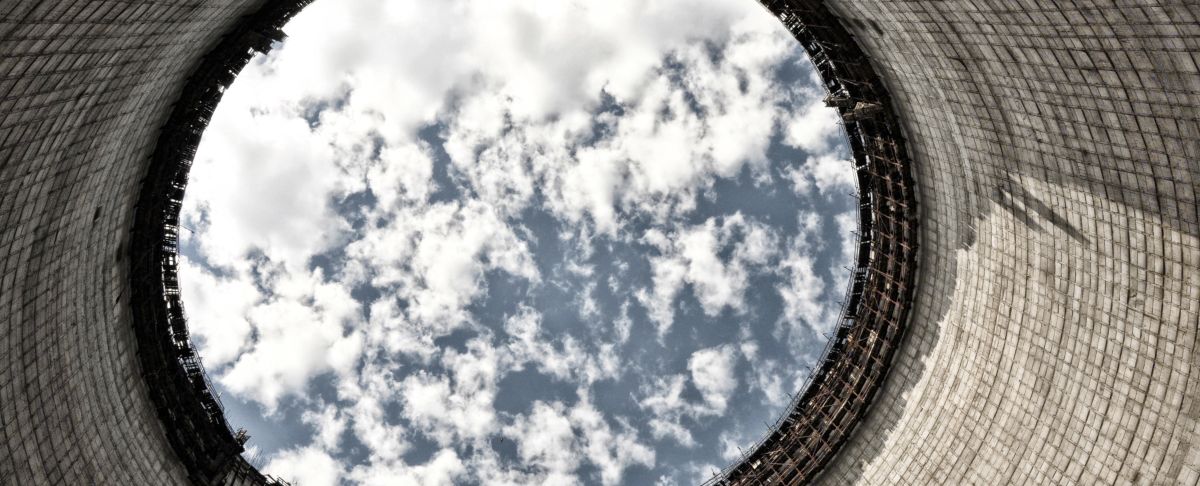
Chernobyl is different again. When the nuclear reactor exploded on 26 April 1986, nearby communities were evacuated. Pripyat, a city built for workers at the plant and their families, was largely abandoned. Pictures of its empty schools, apartment blocks and amusement park have been circulating for years. They’re eerie, certainly. But it’s easy to forget that people had ordinary lives there before the disaster. They went to work, raised children and made plans for the future. Then they had to leave. Access to the Chernobyl exclusion zone is affected by security conditions and restrictions, so anyone considering a visit needs to check current official guidance.
These places aren’t similar, even if they fall under the same category. A visit to a former concentration camp is very different from exploring an abandoned city after a nuclear accident.
London’s East End Is Part of This Picture, Too
Dark tourism doesn’t have to involve war or a major disaster. Sometimes, the starting point is a crime that happened more than a century ago. London’s East End is a good example. The Whitechapel murders of 1888 still attract attention because the killer was never conclusively identified. The case has been upheld by books, films, and other ideas. However, the narrative is not only about an unresolved murder case. Poverty, cramped housing, and unstable employment were major issues in Victorian East London. Fear and suspicion were sparked by newspaper reportage of the killings, and the issue became a national obsession. A Jack the Ripper tour allows visitors to explore streets associated with the murders while learning about Victorian London.
The interesting questions go beyond who committed the crimes. How did the police investigate murders back then? What did people read about the case in newspapers? And what was everyday life like for the people living in Whitechapel? Without that context, the whole thing can become a guessing game about the killer. The victims disappear behind the mystery, and the neighbourhood becomes little more than a backdrop. Looking at the social conditions of the time gives the story another dimension. It also helps explain why the case attracted so much attention in the first place.
When Does It Become Disrespectful?
This is where dark tourism gets a little complicated. Visiting a memorial to understand what happened is one thing. Treating a mass grave like a photo opportunity is another. Most sites have rules for a reason. Some restrict photography, while others ask visitors to behave in ways that reflect the purpose of the place. Ignoring those rules can be deeply disrespectful to the people who died and their families.
There’s also the local perspective to consider. In places affected by relatively recent conflict or disaster, people may still be living with the consequences. What looks like an interesting historical destination to a visitor might be part of someone’s family history? Local guides can help explain these differences. They know the stories behind the buildings and memorials, and they can point out details that visitors might otherwise miss.
Tourism can bring money into local communities and help preserve historical sites. That’s useful, but it doesn’t mean every commercial experience is a good idea. There’s a difference between helping people understand a tragedy and turning it into an exhibition.
What Do People Actually Get Out of It?
That relies on the individual and the location. After exploring Hiroshima, a visitor could consider nuclear weapons. A visitor to Cambodia might be interested in learning about the rise to power of the Khmer Rouge. When seeing London’s East End, a tourist may become interested in a well-known crime and discover Victorian poverty and law enforcement. Not every visit has to be some insightful, life-changing experience. Sometimes people simply come away with a better understanding of what happened. And perhaps that’s enough.
These places give history a physical setting. The streets are still there, the buildings remain, and the effects of past events can still be seen in the surrounding communities.
We cannot undo what happened, but we can choose what we take away from it. Perhaps the greatest value of visiting these places is becoming a little more aware of how we treat one another in the present. If we choose to see dark tourism as linked to collective memory, empathy and our responsibility towards one another, then visiting these places could trigger some much needed revelations.
Have you ever visited a dark tourism destination? How did the experience make you feel, and what draws you to places where history reveals some of humanity’s darkest chapters?
