
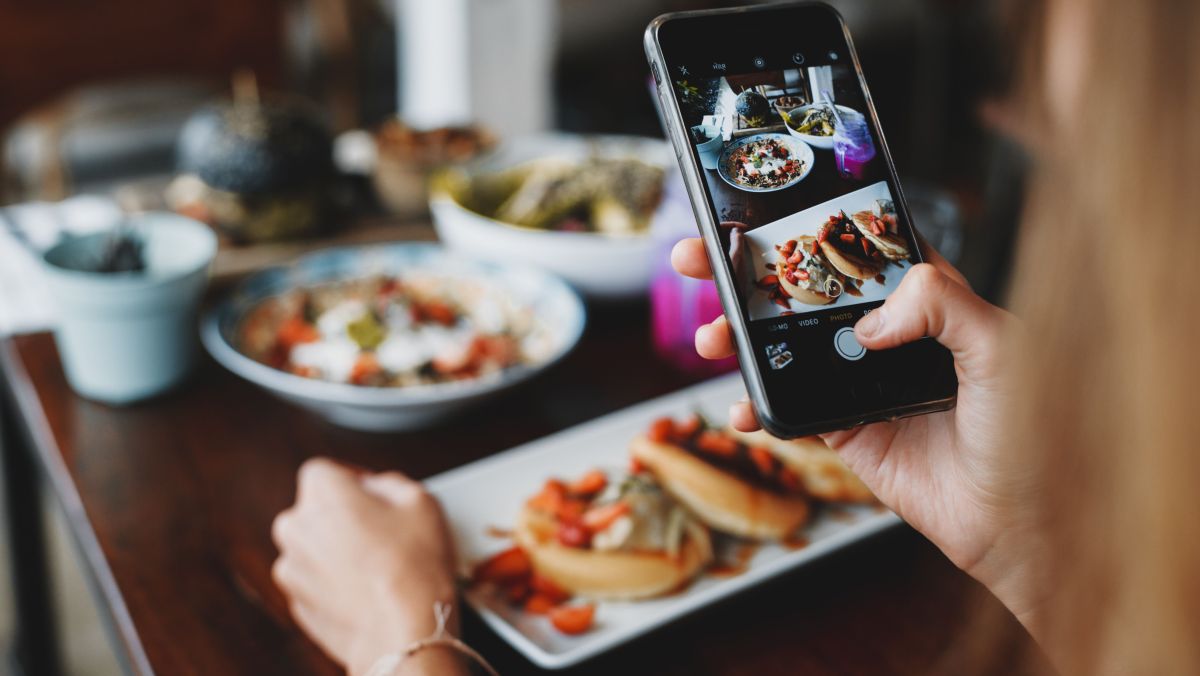
Travel and social media have become almost inseparable. A photograph of a turquoise swimming pool, a tiny village perched on a mountain, or a croissant beside a hotel window can inspire thousands of people to book a trip. For destinations, this is powerful advertising. For hotels, restaurants, and tourist attractions, a well-placed post can generate visibility that traditional marketing campaigns struggle to achieve.
But there is a catch. What happens when the people who arrive to enjoy a place begin treating it as a film set? When a hotel restaurant becomes a backdrop for outfit changes, a peaceful village turns into a queue for the perfect photograph, or other guests find themselves appearing in strangers’ videos?
A growing number of businesses and destinations are beginning to draw a line. In October 2026, The Guardian reported on hotels, restaurants, and popular beauty spots introducing restrictions on photoshoots, reflecting a wider debate about privacy, tourism, and the commercial use of public and private spaces.
We are witnessing times when almost every experience can become content. In this context, can a destination protect the right to be enjoyed without being constantly documented?
The Instagram effect: how a photograph changes the places we travel to
A report by the OECD on tourism policy and sustainable growth discusses how digital platforms and social media can accelerate the growth and geographical concentration of tourism flows. The result can be pressure on infrastructure, the environment, and local communities, particularly in vulnerable coastal, island, mountain, and heritage destinations.
Recent academic research offers another interesting perspective. A 2026 study examining the representation of Bukovina through Instagram posts found that online representations tend to follow popular routes and concentrations of attractions, leaving some peripheral areas underrepresented.
That finding matters. Instagram can influence which parts of that destination become visible in the first place. A region may contain remarkable villages, landscapes, traditions, and historical sites, yet receive less attention because they do not fit the familiar visual narrative.
For a related perspective on destinations facing the pressures of growing visibility, read 11 Destinations to Visit Responsibly Before They Change Forever on Tourism on the Edge. The question is not whether places should be discovered, but whether the attention they receive helps preserve the qualities that made them worth discovering.
When the hotel room becomes a film studio
Hotel du Cap-Eden-Roc in Antibes, France, introduced a requirement for prior permission for photoshoots. According to The Guardian’s October 2026 reporting, the issue included visitors using lunch reservations as opportunities to change outfits and produce social media content. The Cheshire farm shop The Hollies also restricted photography and filming during daytime hours, while the town of Pomfret, Vermont, took measures against influencer photography during the autumn foliage season.
Hotels are selling atmosphere, discretion, comfort, and the feeling of being somewhere special. When the atmosphere is repeatedly interrupted by people staging content, the experience being sold begins to deteriorate.
There is also a question of consent. Other guests may have paid for privacy, yet find themselves in the background of public videos. In restaurants, people may not want their conversations, family celebrations, or business meetings recorded. A beautiful setting does not automatically make everyone inside it part of the production.
Who pays the price when a destination goes viral?
Viral attention is rarely distributed evenly. A hotel might benefit from increased bookings, but the small street outside its entrance may become congested. A village might gain international recognition, while residents struggle with visitors blocking driveways or photographing their homes. A natural attraction might bring new income to local businesses, yet face erosion, litter, and pressure on limited facilities.
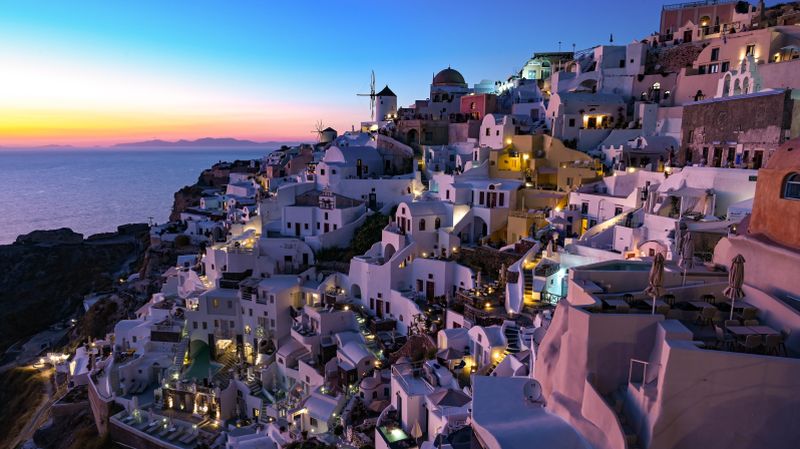
UNESCO explores these broader issues in its article Travel without leaving a trace, which discusses the environmental, economic, and social pressures associated with excessive tourism.
The most difficult part is that many of the people creating the demand are not behaving maliciously. They may simply be following a recommendation, visiting a famous viewpoint, or hoping to capture a memory. The cumulative effect, however, can be very different from the intention of any individual visitor.
Nor is every influencer making money from a trip. Some creators receive hotel stays or other benefits in exchange for content; others produce material in the hope of securing future partnerships. It is misleading to assume that every person taking photographs is a wealthy professional with a commercial contract.
The more useful distinction is between behaviour that respects a place and behaviour that treats the place, its workers, and its visitors as resources for producing content.
Why a “no photoshoot” rule can make business sense
At first glance, restricting photography may seem counterproductive. Hotels and tourist attractions invest heavily in their visual appeal, and social media offers an inexpensive way to reach potential customers. Why discourage the very activity that can make a venue famous?
The answer depends on what the business wants to be known for.
A luxury hotel may prefer discreet guests who stay longer, spend money, and return rather than visitors who book a meal mainly to photograph the interiors. A restaurant may value a comfortable dining room more than a viral video. A small attraction may need to keep pathways clear and ensure that all visitors have a fair opportunity to enjoy the experience.
Restrictions can also help clarify the difference between a private guest experience and a commercial production. A venue might welcome ordinary photography while requiring advance permission for tripods, lighting equipment, repeated outfit changes, or professional shoots. It can also establish quiet hours for content creation, designate suitable filming areas, or offer approved collaborations outside busy periods.
This approach avoids turning the debate into a simple contest between businesses and influencers. Professional creators can provide valuable marketing services. The challenge is to establish terms that protect both the venue’s commercial interests and the experience of its other guests.
Can destinations benefit from social media without becoming its servants?
The answer is probably yes, but it requires a different approach to destination marketing.
Instead of promoting a single photogenic landmark, tourism organisations can showcase the wider region: nearby villages, local food producers, walking routes, museums, craftspeople, and experiences that encourage visitors to stay longer and spread their spending.
One useful resource is Tourism Watch’s analysis of how social media is changing travel, which considers both the opportunities offered by digital promotion and the risks of distorted representations, overtourism, and pressure on local communities.
For travellers, the practical response is equally straightforward. Ask permission before filming people, avoid obstructing entrances and paths, follow local photography rules, and consider visiting popular places outside peak hours. Explore what lies beyond the best-known viewpoint. Spend money with locally owned businesses. Remember that a private home, a working farm, or a restaurant full of diners is not automatically a public photo set.
Creators can also make more responsible choices without sacrificing compelling storytelling. Showing how a destination works, introducing local residents who wish to participate, and explaining the realities behind a beautiful image can offer audiences something more interesting than another perfectly staged photograph.
The rise of photography restrictions tells us something about the changing expectations surrounding travel. Visitors want memorable experiences, businesses want visibility, and destinations want tourism revenue. Yet all three depend on the same fragile resource: the quality of the place itself.
Perhaps the next evolution in travel will involve a different kind of status symbol: visiting somewhere beautiful without needing to prove it to thousands of strangers. Taking a photograph when it adds something to the experience, putting the phone away when it doesn’t, and leaving a destination with more than a collection of images.
After all, the best reason to visit a place is still to experience it. The photograph should be a reminder of the journey, not the entire purpose of making it.
